
As we age, our needs and priorities shift. The journey of aging can be full of joy, meaningful connection, and ongoing growth—but it also brings unique challenges. At UYM Charities, we believe that older adults deserve support that honors the whole person: body, mind, and spirit. That’s where integrative health services come in.
What Is Integrative Health?
Integrative health is more than a buzzword—it’s a patient-centered approach that combines the best of conventional medicine with evidence-based complementary therapies. Instead of just treating diseases or isolated symptoms, integrative care looks at every aspect of a person’s life. This includes physical health, emotional well-being, mental health, lifestyle, social connections, and a sense of purpose.
Why does this matter for older adults? As we age, we’re more likely to juggle multiple health conditions at once. Integrative health tackles complexity head-on, working to boost both day-to-day function and long-term well-being.
Key Principles of Integrative Care for Older Adults
- Whole-person focus: Care is tailored to each person, considering physical, mental, social, and environmental needs.
- Coordination across providers: Doctors, nurses, therapists, social workers, and family members collaborate on a shared care plan.
- Preventive mindset: The goal isn’t just to treat illness, but to help people stay active, independent, and engaged for as long as possible.
- Patient empowerment: Older adults are partners in decision-making, so care respects their values and choices.
Components of Integrative Health Services
1. Conventional Medical Care
Regular check-ups, screenings, medications, and acute illness care remain foundational for older adults. But integrative health doesn’t stop there—it expands the toolkit.
2. Complementary and Holistic Therapies
Depending on individual needs and preferences, these therapies might include:
- Acupuncture
- Massage
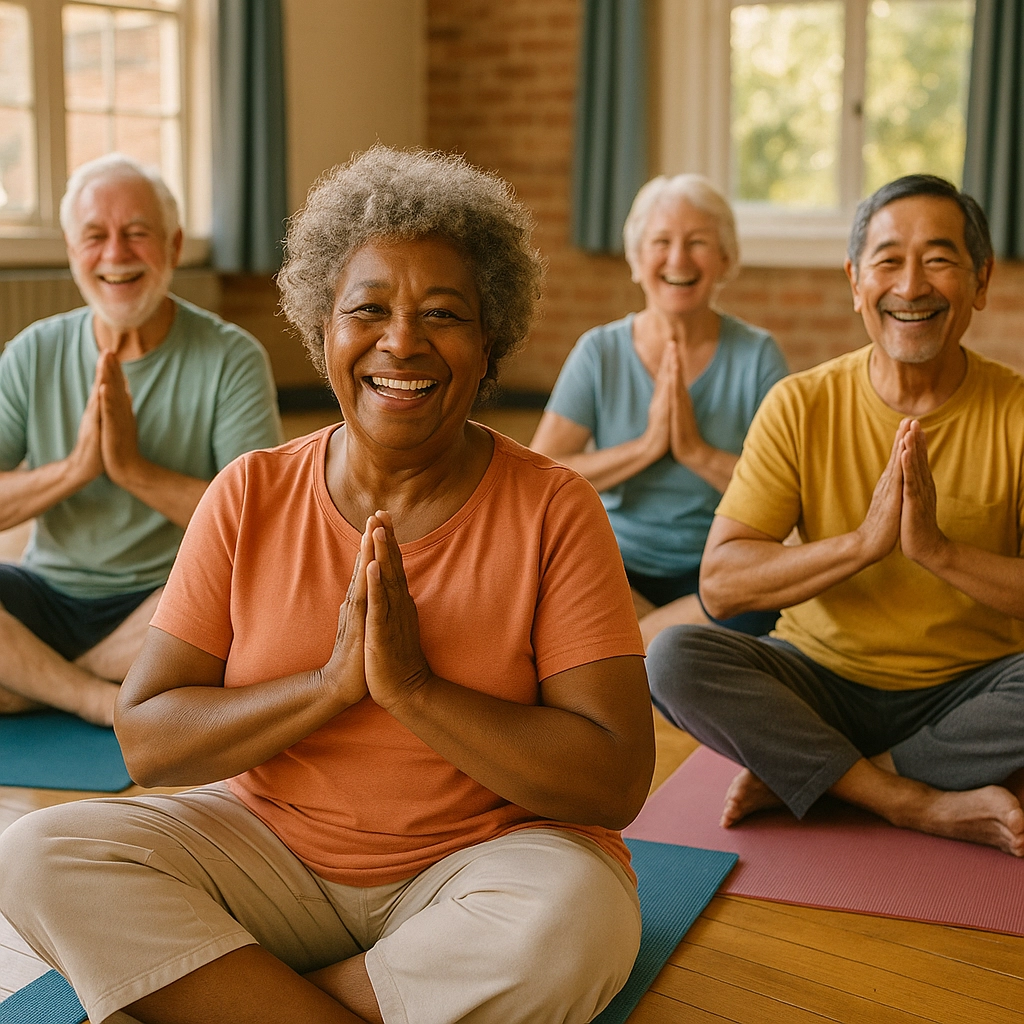
- Yoga and tai chi
- Art or music therapy
- Herbal supplements (with careful coordination from medical providers)
Research shows these approaches can help manage chronic pain, reduce anxiety, improve sleep, and boost mood.
3. Nutrition and Physical Activity
Healthy eating and movement are vital at every age, but especially so for older adults. Integrative care might include:
- Nutrition counseling
- Cooking classes featuring anti-inflammatory foods
- Personalized exercise programs
- Mobility and balance workshops
These interventions help prevent falls, build muscle, and support heart health.
4. Emotional and Social Support
Isolation, loneliness, and depression are significant